
Numbness or persistent discomfort in the buttock area spares no age group or lifestyle. Some trivial factors, such as prolonged sitting or sudden physical exertion, can sometimes trigger unexpected pain. While these sensations are often overlooked, they can signal muscular imbalances, skin irritations, or circulatory disorders. A nuanced understanding of the mechanisms at play allows for the identification of simple, effective solutions tailored to each situation.
When the buttocks feel cold or hurt: learning to decode these signals
From remote workers on their chairs to athletes in full effort, no one escapes these infamous cold buttocks. The explanation does not lie in a single cause but weaves through several possibilities: muscular weakness, a very slim physique, hormonal variations, or the presence of cellulite that alters the perception of comfort and body warmth. Staying seated for long periods gives a ticket to poor blood circulation in the buttock area; resulting in tingling, numbness, or that unpleasant cold sensation that eventually takes hold.
It can also happen that dry or poorly hydrated skin exacerbates the issue, while water retention adds to the sensations. When these signs become the rule rather than the exception, it’s time to reassess one’s lifestyle habits, or else the discomfort settles in for the long term.
To delve into each factor in detail and explore the responses that truly suit everyone, the file why do I have cold buttocks offers a precise and candid overview, far from miracle solutions.
Common causes of pain or discomfort in the buttock area
Prolonged sitting is one of the primary culprits: circulation slows down, muscles go into standby mode, and the buttock area becomes more vulnerable to cold and pain. Over time, the body’s thermal regulation capacity weakens, and discomfort sets in more easily.
Other circumstances come into play. Thyroid disorders, anemia, diabetes, or peripheral neuropathies can alter how the body manages its heat. We must also mention phases of hot flashes or night sweats that disrupt the body’s signals, adding their share of discomfort.
Here are some typical situations that accentuate the feeling of cold or cause persistent discomfort in this area:
- Night sweats leave the area damp, and the morning starts with goosebumps.
- A particularly low BMI means little fat reserve to cushion the feeling of cold.
In parallel, an unbalanced diet or a chaotic lifestyle weakens skin quality, which heightens discomfort. It then becomes wise to address the root of the problem with small, consistent adjustments.
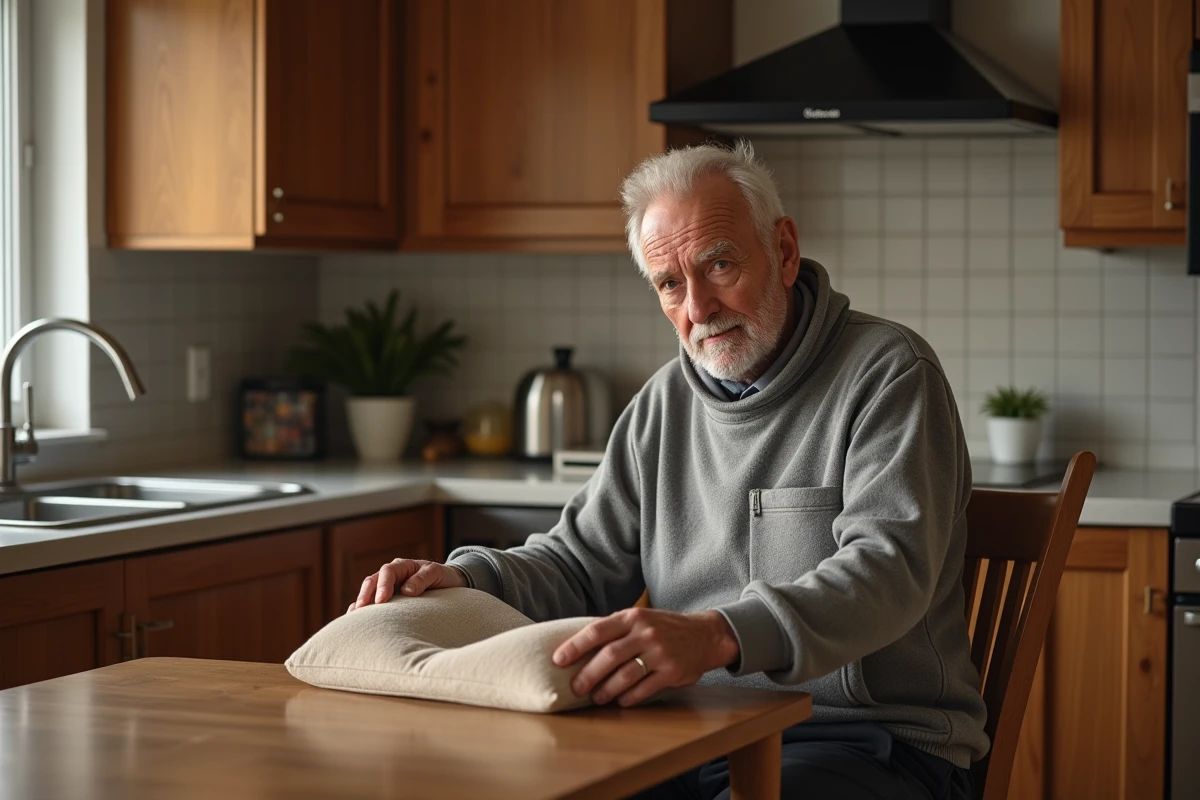
Concrete actions to prevent and relieve buttock pain daily
Comfort doesn’t return with a snap of the fingers, but taking steps really makes a difference. Stimulating the gluteal muscles every day gives the body momentum and balance. Walking, doing some stretches, or targeted exercises throughout the day: these repeated efforts revive circulation and get the machine running again.
Incorporating dynamic activities like cycling, brisk walking, or swimming strengthens vascularization and tempers unpleasant sensations. Nutritionally, regular intake of quality proteins, minerals, and good hydration helps firm the skin, limits water retention, and slows down cellulite. Improvements are soon felt.
Changing your wardrobe for suitable clothing or adding an extra layer depending on the season may seem trivial, but the difference is quickly appreciated. If discomfort persists or intensifies despite your efforts, it’s better to consult a health professional to adjust the diagnosis and necessary measures.
Establishing some solid daily habits can gradually reduce discomfort:
- Incorporate active breaks to reactivate blood circulation and prevent numbness.
- Work on the roundness of the buttocks with simple exercises like squats or lunges to restore tone and fend off the cold.
- Take care of the skin to slow the progression of cellulite and orange peel skin, which also stabilizes thermal sensation.
Patiently, discomfort gives way to regained mobility. The day when sitting no longer rhymes with shivering, one understands that discomfort is just a stubborn memory swept away by new, well-established habits.