
The 5L keg raises a question rarely asked by online comparisons: how many glasses served, how much liquid wasted, and what is the actual cost difference compared to individual cans or bottles? Rather than listing brands, this article compares the serving formats of the panaché in terms of yield, waste, and the packaging regulations that now apply to these containers.
Cost per glass and waste by panaché format
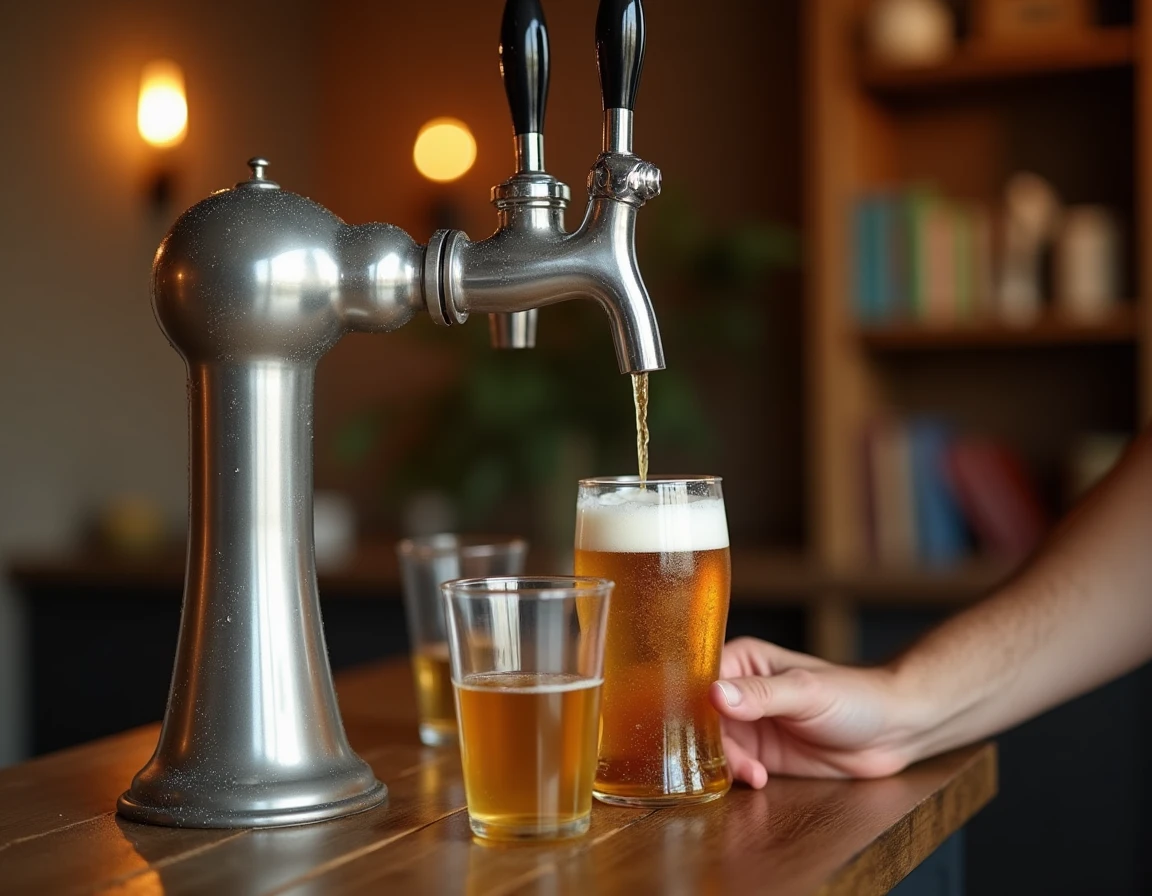
The main argument for the 5L keg lies in the ratio between purchased volume and actual consumption. With a pack of 33 cl cans, each opened unit must be consumed: no waste, but no draft service either. With a 5L keg, the panaché remains under pressure for several days after opening, which reduces waste during evenings where consumption is spread out.
| Format | Total Volume | Number of Glasses (25 cl) | Risk of Waste | Draft Service |
|---|---|---|---|---|
| 33 cl Cans (pack of 12) | 3.96 L | ~15 | Low (individual portions) | No |
| 25 cl Bottles (pack of 12) | 3 L | 12 | Low | No |
| 5 L Keg | 5 L | 20 | Low if consumed within a few days | Yes |
| 2 L Keg (rare format) | 2 L | 8 | Very low | Variable |
The 5L keg produces about 20 glasses of 25 cl, which covers the consumption of a group of four to six people over an evening. For a couple or a small gathering, the surplus can remain fresh and carbonated thanks to the integrated pressurized system.
A point overlooked by most product sheets: once the tap is activated and the pressure is started, the shelf life after opening varies depending on the keg technology. BeerTender or PerfectDraft compatible systems maintain pressure longer than a basic gravity keg. Checking compatibility with your machine before purchase prevents ending up with five liters that go flat in two days.
Choosing the 5L panaché keg for your evenings means knowing your actual consumption rate, not just the number of expected guests.
5L Panaché and low-alcohol trend: a format suited for long evenings

The rise of low-alcohol beverages in Europe directly impacts the segment of kegged panachés. For several years, European brewers have been developing radlers and panachés around two to three degrees of alcohol, specifically designed for the 5L “party keg” formats.
This positioning responds to a specific use: evenings where designated drivers, athletes, moderate drinkers, and classic beer enthusiasts coexist. The panaché, by nature lighter than a blonde or an IPA, naturally fits into this so-called “sessionable” category.
- A 5L low-alcohol panaché keg allows serving a mixed group without multiplying beverage references on the table.
- The draft format adds a festive touch that individual cans do not replicate, even with the same product inside.
- Consumption spread over several hours remains consistent with a low alcohol content, where a strong beer keg would be counterproductive.
Industry reports (IWSR, Brewers of Europe) document this progression of keg formats for no/low-alcohol beverages, with 5L mini-kegs identified as a growth driver in this segment in Europe.
Packaging regulations and 5L kegs: what the AGEC law changes
The AGEC law (anti-waste for a circular economy) and its implementing decrees have been strengthening obligations around beverage packaging for several years. The 5L metal or plastic mini-kegs used at home are concerned.
In practical terms, manufacturers must now clearly inform about the sorting of these containers. The goals for reuse and deposit for beverage packaging are progressing, which could ultimately change the very design of domestic kegs.
Sorting and recycling a 5L keg in practice
A steel keg is recycled in the metal sector, but its volume can sometimes make it cumbersome for standard sorting bins. Composite kegs (plastic and metal) pose more problems: their disassembly is not always possible by the consumer, and sorting instructions vary from one community to another.
- Check the sorting pictogram on the keg before disposing of it (Triman + specific sorting instructions).
- Fully steel kegs should be dropped off at recycling centers or in metal bins according to your municipality.
- Some distributors are starting to offer in-store take-back systems, anticipating reuse obligations.
This regulatory aspect remains absent from online product comparisons, which are limited to price and machine compatibility. The effective recyclability of the keg should, however, weigh in the decision, especially when the “zero waste” argument is emphasized.
Beer machine compatibility and panaché kegs: common pitfalls
Not all 5L kegs are equal in terms of compatibility. The two dominant systems in the domestic market, BeerTender and PerfectDraft, use kegs of different shapes and connections. A panaché keg designed for BeerTender does not fit a PerfectDraft tap, and vice versa.
The offering of panachés in kegs remains more limited than that of classic beers. Few brands offer a panaché keg compatible with PerfectDraft, which often directs the choice towards the BeerTender system or towards self-pressurized kegs (without a machine).
Self-pressurized kegs: an underestimated alternative
Kegs equipped with an integrated tap and an internal pressure system (type “draft keg”) require no machine. They can be placed directly in the refrigerator. This option is suitable for occasional consumers who do not wish to invest in a tap for a few evenings per year.
The trade-off concerns the duration of freshness maintenance after opening, generally shorter than with a dedicated machine. For a keg consumed over one to two evenings, the difference remains marginal.
The choice of format therefore depends less on the brand of panaché than on the equipment already present at home, and on the pace at which you plan to empty the keg. A tap purchase is only justified if you expect several kegs per season, across all beverages.