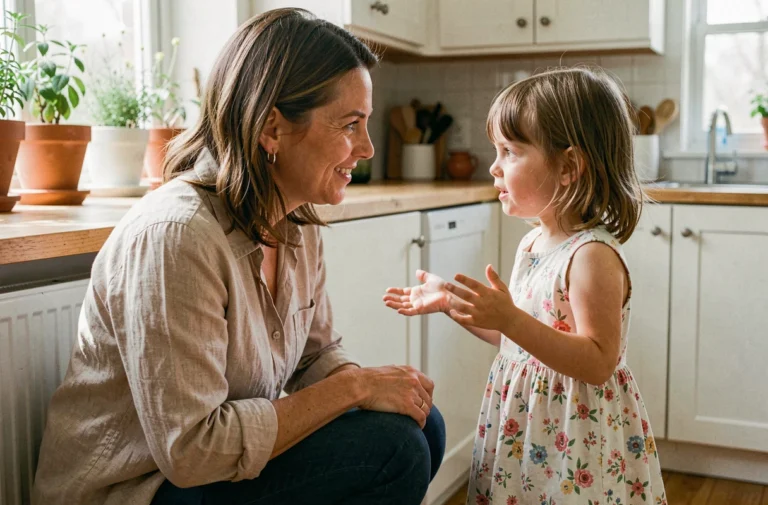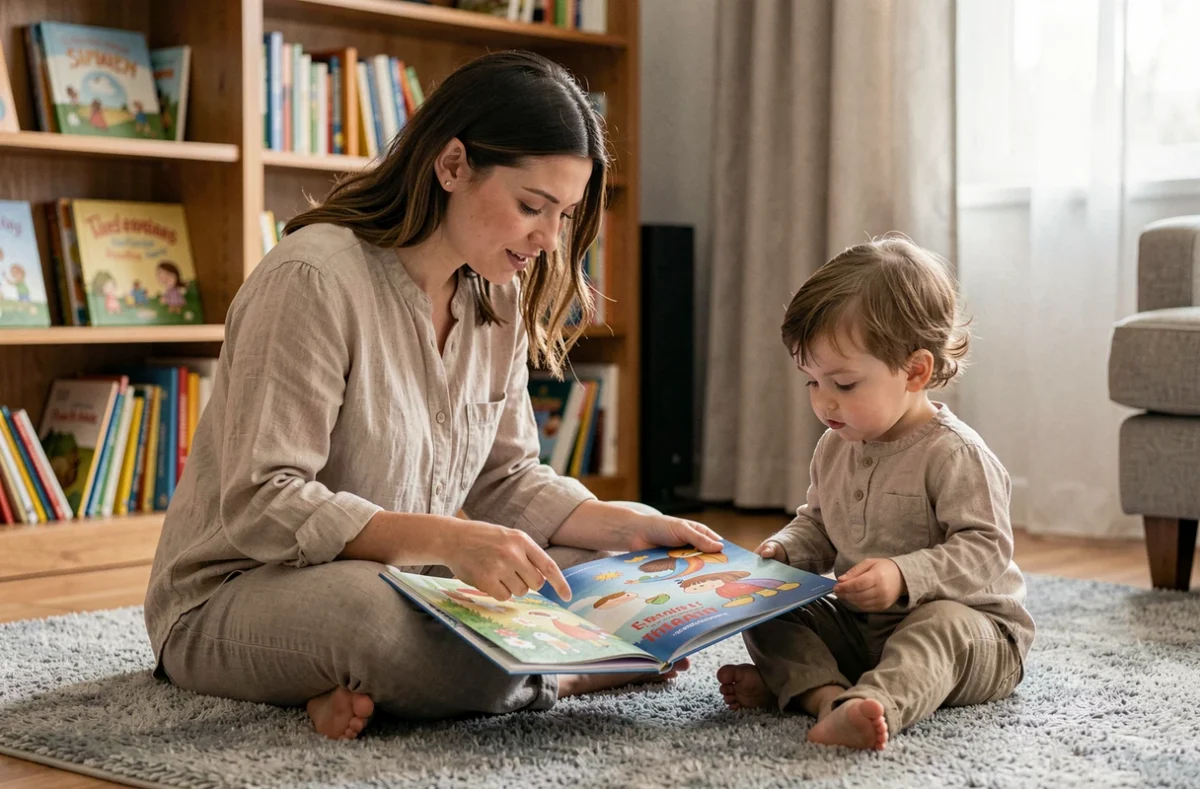
A 2-year-old is given a book with long sentences and a plot full of twists. The result: they close it after ten seconds and go back to stacking blocks. The problem isn’t the book or the child, but the mismatch between the format and what the child is ready to do with it. Choosing a suitable educational book starts with observing where the child is at before looking at the cover.
Actual reading level versus the age printed on the cover
The age range indicated by the publisher is a guide, not a diagnosis. A 5-year-old who is passionate about insects may devour a nonfiction book intended for 7-year-olds if the illustrations carry the story. Conversely, an 8-year-old just starting to read independently may feel more comfortable with a short first novel than with a dense work of children’s literature.
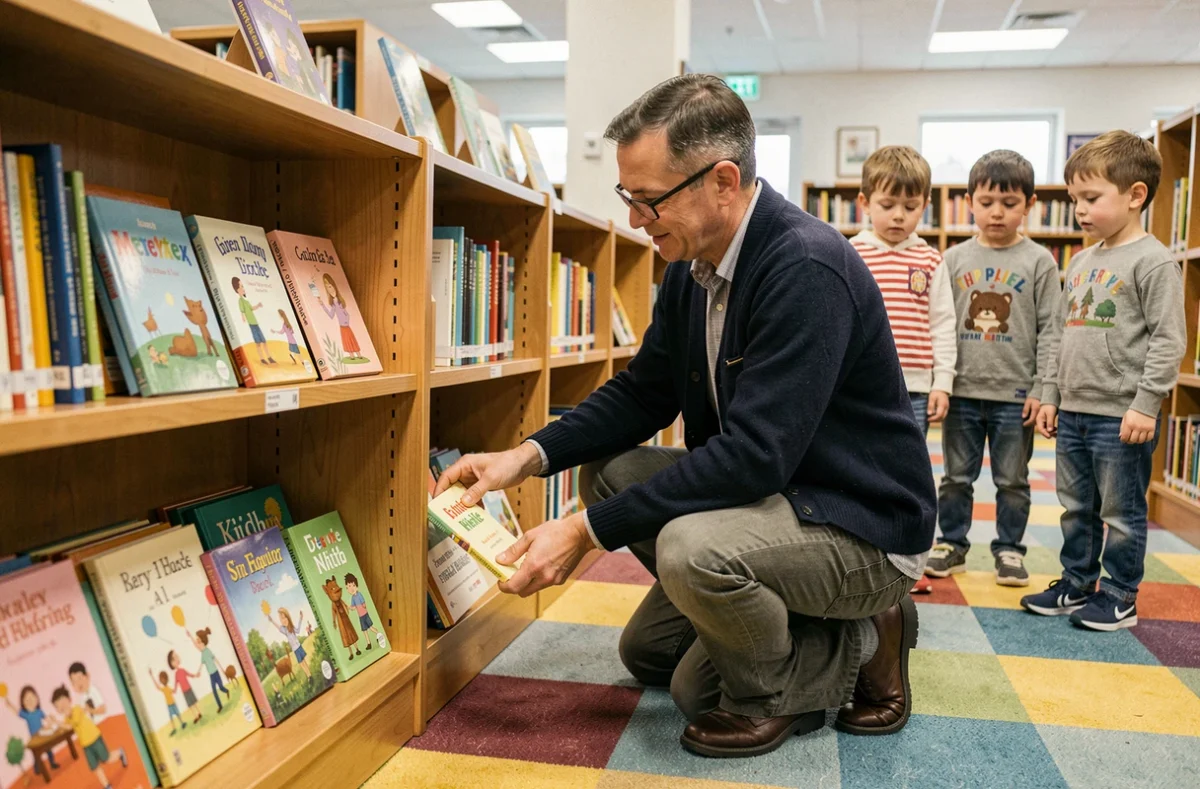
The French Ministry of National Education recommends letting children choose, on their own or with an adult, then guiding them toward more challenging reading by reading the first chapters aloud. This also lets you choose a suitable educational book by testing how comfortable the child is with the first few pages before buying it.
In practical terms, look at three things: sentence length, the amount of text on each page, and the balance between pictures and words. If the child turns the pages without stopping, the text is too long. If they ask to see the same page again, something on it has caught their attention.
Educational book formats: choose based on what the child does with their hands
Before 18 months, a book is something to chew on, throw, and stack. Sturdy board books and cloth books aren’t gimmicks: they let babies handle books without an adult having to watch every move. High-contrast books (black and white) are especially suitable in the first few months, while a baby’s eyesight is still developing.
Between 18 months and 3 years, lift-the-flap books and themed picture books work well because they call for active participation: lifting, pointing, naming. The format should invite the child to take part, not just listen.
Interactive books after age 3: pop-ups, search-and-find, and activity books
From age 3, children’s fine motor skills allow them to handle more delicate pages. Pop-up and search-and-find books engage visual attention and patience. Activity books (mazes, riddles woven into the story) add a problem-solving element that sparks curiosity.
A common pitfall is choosing a spectacular format (a large, sturdy pop-up book) when the child is looking for a story to listen to. The same principle applies: observe what the child does with a book spontaneously to understand which format suits them.
Accessibility and reading difficulties: an often-overlooked factor
A child with a visual impairment or cognitive disability has different typographic needs. The Valentin-Haüy Media Library, highlighted by the French Ministry of National Education, offers books adapted for children with low vision or blindness. For a child with dyslexia, some editions explicitly identify the typographic adjustments they use: dyslexia-friendly fonts, extra spacing between letters, and uncluttered layouts.
You can spot these adjustments in library catalog records. For example, a record from the Strasbourg media library mentions a font specifically designed for readers with dyslexia. Checking a book’s accessibility before buying it helps prevent the child from struggling with a format that demands an excessive amount of effort to decode.
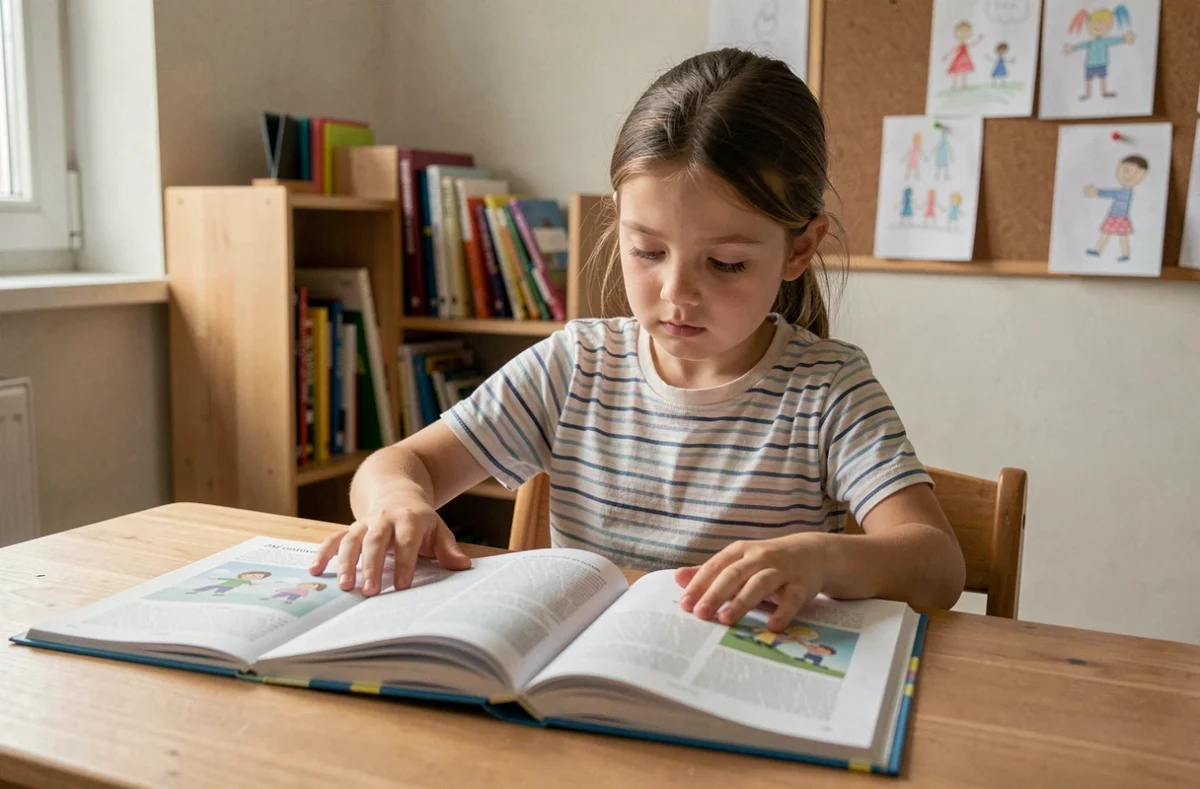
If the child has no diagnosed reading difficulty but struggles to read, the same criteria apply: clear typography, generous line spacing, and short paragraphs make it easier to start reading independently. The line between an “adapted book” and a “well-designed book” is often a fine one.
Educational book or picture book: do you have to choose between them?
Educational books (nonfiction, themed picture books, activity books) are often set against fiction picture books (illustrated stories, fairy tales). In practice, the two complement each other. A child who alternates between a nonfiction book about volcanoes and a story featuring a lovable character develops different skills with each.
Educational books organize knowledge: they classify, name, and explain. Fiction picture books develop narrative comprehension, empathy, and emotional vocabulary. The selection criteria are the same for both:
- The text matches the child’s actual reading level, not just their chronological age
- The physical format (size, weight, durability) suits their motor skills
- The subject connects with an existing interest or a question the child already has
- The child can interact with the book (point, answer, search) rather than passively receive information
A good educational book makes children want to talk, not just read. You can tell by what the child says after closing the last page: if they ask questions or talk about what they saw, the book has done its job.
The quality of adult-child interaction: the most underestimated factor
The French Ministry of Culture emphasizes the importance of shared reading from an early age. A book doesn’t work on its own: the conversation it sparks between adult and child is what makes it an educational tool. A simple picture book read with a parent who names things, asks questions, and responds to the child’s reactions has more impact than a sophisticated book leafed through in silence.
When choosing a book for a young child, ask yourself: does this book make me want to talk with my child? If the illustrations are rich, the text leaves room for the adult to improvise, and the structure encourages repetition (a refrain, a recurring question), then the book creates space for dialogue, not a monologue.
An educational book isn’t a substitute for screens or a miracle solution. It’s part of a range of activities (free play, exploration, conversation), each with its own place. A child who reads a picture book in the evening, browses a nonfiction book at the weekend, and plays outdoors the rest of the time builds their learning on a variety of foundations. A book doesn’t have to do it all.