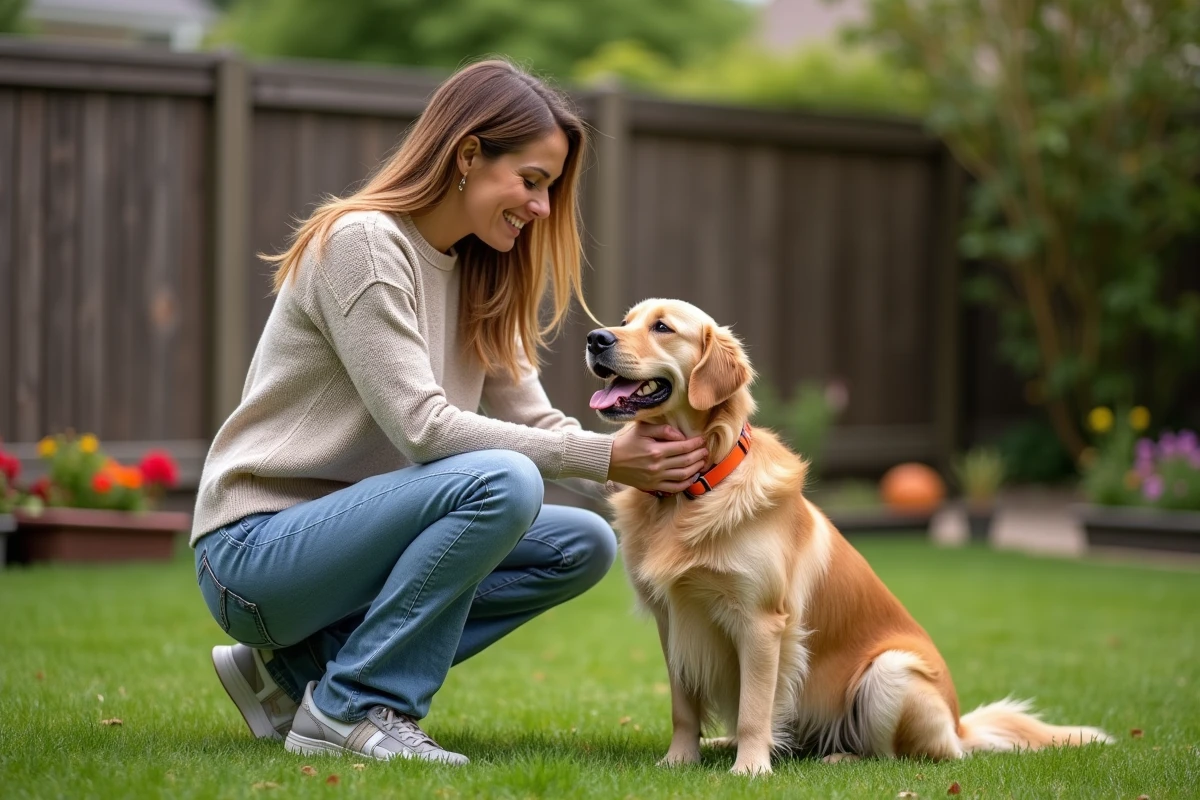
A dog can recognize more than a hundred words, but it does not understand the concept of unfair punishment or the choice of its own diet. Some dogs live for fifteen years without ever learning to walk on a leash, while others grasp the rules in just a few weeks. Pet health insurance remains optional, while veterinary costs are skyrocketing, even for routine care.
It is impossible to rely solely on the diversity of breeds to predict a dog’s behavior or ease of training. Breeds known for being calm can develop unexpected issues, while dogs labeled as “stubborn” adapt easily to a family’s rhythm.
What you really need to know before welcoming a dog into your home
Welcoming a dog means committing to daily care. This involves providing a proper diet, ensuring fresh water is always available, and scheduling regular veterinary care. Its balance also relies on rigorous hygiene: cleaning the eyes, checking the ears, trimming the nails, and brushing the coat. Depending on the breed, grooming varies, but the frequency should remain consistent.
A dog’s happiness does not only depend on the space it has, but also on the satisfaction of its basic needs. Whether living in an apartment or a house, one must commit to providing enough exercise, stimulating its intelligence, and increasing social contacts. Daily outings structure its days; engaging games and learning new commands promote its balance.
Each breed has specific characteristics, both physical and behavioral, that should guide the decision before adoption. Some require more activity, while others need increased vigilance for health or training. Before opening your door to a dog, it is better to consider your lifestyle, your resources, the time you can dedicate, and assess the compatibility between the dog’s temperament and the family dynamic. This choice should not be based on a mere impulse, but on an awareness of each animal’s needs and a commitment to meet them over time.
To make the right choice, it is wise to consult detailed breed profiles, compare profiles, read practical advice, and gather information about dogs on the La Maison des Animaux website. This approach clarifies the adoption process and limits mistakes that could have serious consequences for both the animal and its family.
What care and attention for a happy and healthy companion?
The well-being of a dog relies on the consistency and quality of daily actions. A properly fed, hydrated animal that receives medical attention develops its intelligence and maintains a serene relationship with those around it. The choice of food must be precise: some common foods like chocolate should be avoided as they can be dangerous. Opt for dog kibble suitable for your companion’s age, size, and activity level. Also, remember to change the water daily; hydration cannot wait.
Veterinary care goes far beyond the annual vaccination reminder. It is essential to monitor the ears, eyes, and skin: fleas, ticks, mosquitoes, or intestinal worms can quickly become a problem. Appropriate preventive treatments should be renewed throughout the year. Regular brushing, nail trimming, and cleaning the eyes and ears not only prevent infections but also significantly improve the dog’s quality of life.
Physical exercise and mental stimulation: two pillars of well-being
To structure the days and strengthen the bond, several habits should be prioritized:
- Take the dog out 3 to 4 times a day, regardless of the weather.
- Vary the physical activities: canicross, nature walks, ball games, agility courses…
- Offer occupational games, food puzzles, or teach new commands to stimulate its mind.
Training the dog also contributes to its well-being: learning cleanliness, walking on a leash, socializing with humans and other dogs. Stay attentive to any changes: a dog that plays less or eats less may signal physical or emotional distress. Spaying or neutering, often recommended by veterinarians, limits certain health issues and reduces difficult behaviors. Set up a bed in a quiet corner for it to always have a refuge to recharge.
Sharing tips and advice among owners: your experiences matter
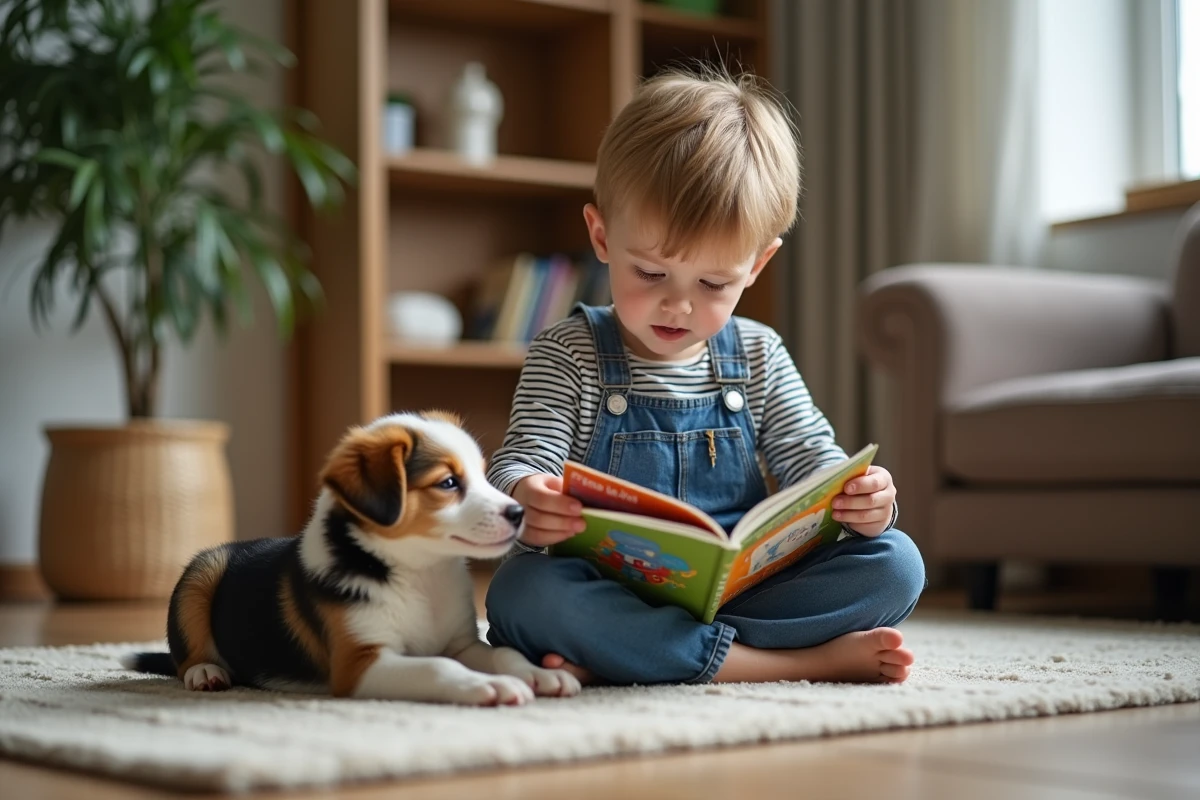
Over the days, each owner refines their habits, adjusts their methods, and invents solutions in the face of the unexpected. Exchanging experiences enriches practices and conveys what truly works, far from universal recipes. Whether welcoming a rambunctious puppy, an adult from a shelter, or sharing a home with cats or children, one discovers a multitude of practical tips and concrete ideas useful for daily life.
Here are various examples of tips and tricks shared among enthusiasts:
- For the dog’s well-being: some establish reassuring routines, while others focus on the variety of games or walks. Food-searching toys, for instance, sharpen curiosity and soothe the younger ones.
- To strengthen the bond: step-by-step progression, patience, and listening to body signals help avoid tensions and misunderstandings.
- Regarding housing: a guide dog cannot be refused in an apartment, and the law also regulates the presence of an emotional support dog in certain medical situations.
Sharing experiences, discussing difficulties, and highlighting both successes and failures contribute to advancing the entire group. Forums and specialized groups are full of proven solutions: socializing a puppy, choosing a compatible breed with a lifestyle, managing daily routines. Real-world experience complements theory, paving the way for a balanced relationship that is attentive to the unique needs of each dog.
Adopting a dog means accepting the unexpected, learning every day, and building a unique story. So many possible paths, so many bonds to create: each becomes the author of a shared adventure, filled with listening, respect, and unexpected discoveries.